


Will Ovarian Cysts Cause Infertility? What Women Need to Know
Ovarian cysts are fluid-filled sacs that can develop on the ovaries, and they are a common occurrence among women of reproductive age. Understanding the relationship between ovarian cysts and infertility is crucial for women who are trying to conceive. This article will explore the types of ovarian cysts, their impact on fertility, symptoms, diagnostic procedures, treatment options, and the importance of consulting with a “gynaecologist”. By the end, readers will have a comprehensive understanding of how ovarian cysts can affect reproductive health and when to seek expert advice.
Types of Ovarian Cysts
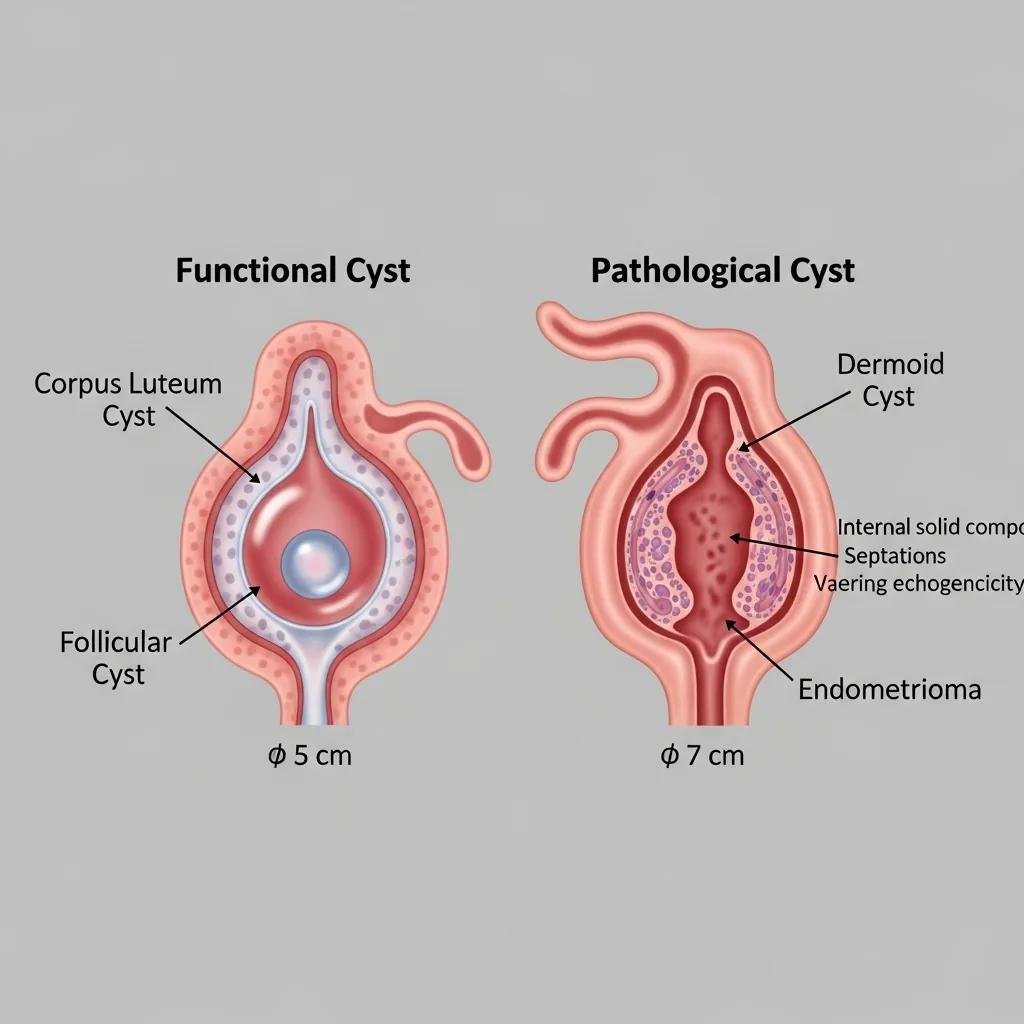
Ovarian cysts can be classified into two main categories: functional and pathological cysts. Functional cysts, such as follicular cysts and corpus luteum cysts, are typically benign and often resolve on their own without treatment. Pathological cysts, including endometriomas and those associated with polycystic ovary syndrome (PCOS), may require medical intervention. Understanding these types is essential for managing fertility, as certain cysts can disrupt normal ovulation and hormonal balance.
Impact on Fertility
Certain ovarian cysts can indeed affect a woman’s ability to conceive. For instance, cysts that disrupt ovulation can lead to irregular menstrual cycles, making it challenging to predict fertile windows. Additionally, conditions like PCOS, characterized by multiple cysts, are linked to hormonal imbalances that can hinder fertility. Regular check-ups are vital for women trying to conceive, as early detection and management of cysts can improve reproductive outcomes.
Further emphasizing the significant role of PCOS in fertility challenges, research highlights its prevalence as a cause of anovulatory infertility and outlines common treatment approaches.
PCOS: Common Cause of Infertility & Treatment Options
Polycystic ovary syndrome [PCOS] is the commonest cause of anovulatory infertility. Treatment modes available are numerous mainly relying on ovarian stimulation with FSH, a reduction in insulin concentrations and a decrease in LH levels as the basis of the therapeutic principles. Clomiphene citrate is still the first line treatment and if unsuccessful is usually followed by direct FSH stimulation.
The management of infertility associated with polycystic ovary syndrome, 2003
AristoGP, a private healthcare provider in Central London, offers specialized “gynaecology services” to help women navigate these challenges. Their team can provide tailored advice and treatment options to support reproductive health.
Symptoms of Ovarian Cysts
Common symptoms associated with ovarian cysts include:
- Pelvic Pain: This can range from a dull ache to sharp pain, particularly during menstruation.
- Unusual Bleeding: Irregular menstrual cycles or bleeding between periods may indicate the presence of cysts.
- Pain During Intercourse: Discomfort during sexual activity can be a sign of underlying issues related to ovarian cysts.
Recognizing these symptoms is crucial for timely diagnosis and treatment.
Diagnostic Procedures
Diagnosing ovarian cysts typically involves several methods, including:
- Ultrasound: This imaging technique is a key diagnostic tool that helps visualize the cysts and assess their size and type.
- Blood Tests: Hormonal levels can be evaluated through blood tests to determine if there are any underlying issues affecting fertility.
- Physical Exams: A thorough examination can help identify symptoms and guide further testing.
After discussing diagnostic procedures, it’s important to consider the next steps in managing ovarian cysts.
Treatment Options

Treatment for ovarian cysts varies based on their type and symptoms. Options include:
- Monitoring: Many functional cysts resolve on their own, so regular monitoring may be sufficient.
- Hormonal Treatments: Birth control pills can help regulate menstrual cycles and prevent the formation of new cysts.
- Surgery: In cases where cysts are large or symptomatic, surgical intervention may be necessary to remove them.
Understanding these treatment options is essential for women facing fertility challenges.
Implications for Women's Reproductive Health
Regular consultations with a healthcare provider are crucial for early detection and management of ovarian cysts. Women should consult specialists if they are trying to conceive, as lifestyle factors and underlying health conditions can significantly influence fertility outcomes.
When Should Women Seek Expert Advice from a Female Gynaecologist in Central London?
Women should consider seeking expert advice if they experience:
- Severe Pelvic Pain: Persistent or severe pain may indicate complications.
- Unusual Menstrual Bleeding: Changes in menstrual patterns warrant a consultation.
- Pain During Intercourse: This symptom should be evaluated by a specialist.
Consulting with a “female gynaecologist” can provide personalized care and address specific concerns related to ovarian health.
What Are the Benefits of Private, Multilingual Gynaecology Consultations?
Private gynaecology consultations offer several advantages, including:
- Accessibility for Non-English Speakers: Multilingual services ensure that language barriers do not hinder access to care.
- Improved Communication: Clear communication leads to better understanding and management of health issues.
- Personalized Care: Tailored consultations enhance the patient experience and address individual needs.
These benefits highlight the importance of seeking specialized care in a comfortable environment.
How Can Women Book Confidential Appointments for Ovarian Cyst and Fertility Concerns?
Booking an appointment with AristoGP is straightforward and confidential. Women can contact AristoGP via WhatsApp or their website to schedule a consultation. No referral is needed to see a gynaecologist, ensuring that women can access the care they need in a private setting.
For further inquiries, you can reach AristoGP at +44 7490 643706 or visit their office located at 1-5 Portpool Lane, London EC1N 7UU.