Understanding the Importance of Regular Gynaecological Check-Ups
Regular gynaecological check-ups are essential for maintaining women's health and detecting potential issues early. These visits allow for screenings, discussions about reproductive health, and guidance on preventative care, ensuring that women stay informed about their bodies and health needs.
During a typical check-up, a gynaecologist may perform a pelvic exam, Pap smear, and breast examination, along with discussing any concerns related to menstrual cycles, contraception, or menopause. Regular appointments can lead to timely interventions and better health outcomes for women.
Innovative Treatments in Gynaecology: What You Need to Know
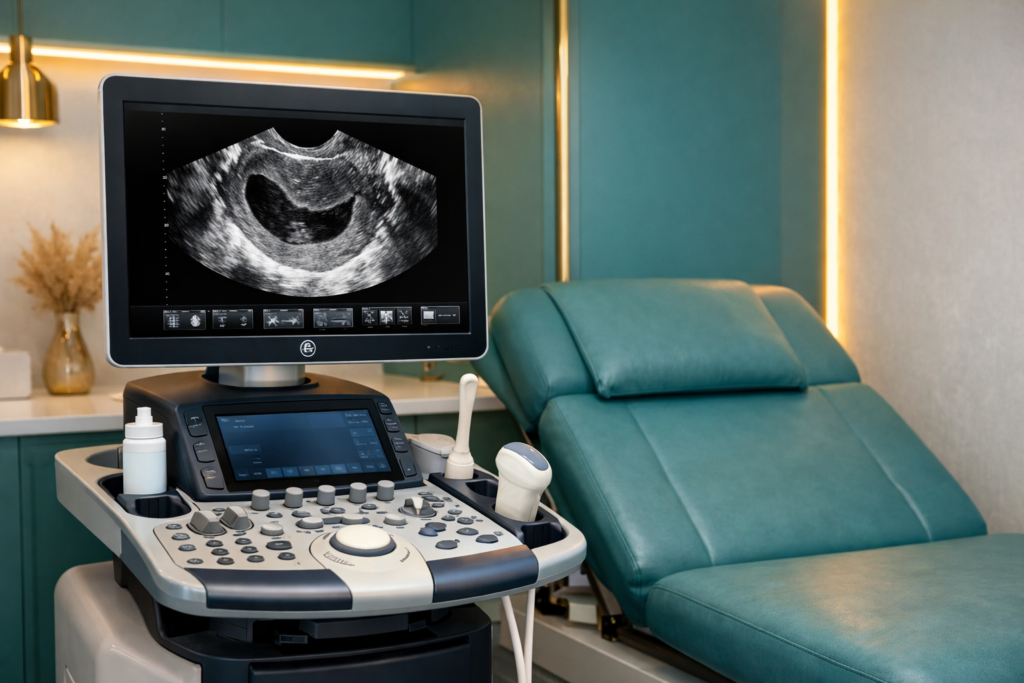
The field of gynaecology is continually evolving, with innovative treatments emerging to address various women's health issues. These advancements include minimally invasive surgical techniques, advanced imaging technologies, and new pharmacological therapies that enhance patient care and recovery.
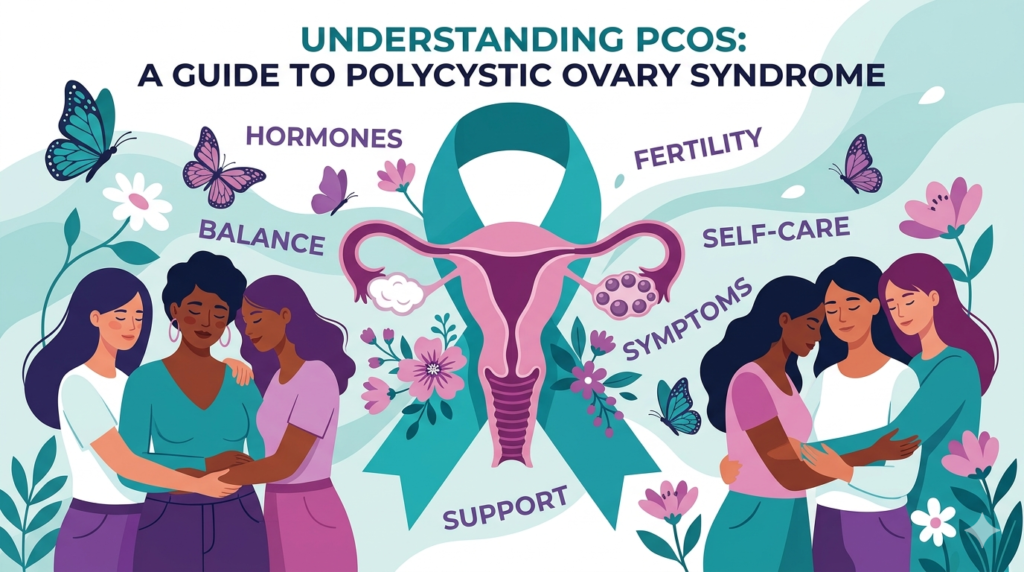
For example, laparoscopic surgery allows for quicker recovery times and less post-operative pain compared to traditional methods. Additionally, advancements in hormone therapy provide new options for managing conditions like menopause and PCOS, ensuring that women have access to the most effective treatments available.
Understanding Pelvic Pain: Causes and Treatment Options
Pelvic pain is a common issue that can stem from various conditions, including endometriosis, fibroids, or pelvic inflammatory disease. Understanding the underlying causes of pelvic pain is crucial for effective treatment and management, allowing women to seek appropriate care.
Consultations with a gynaecologist can help identify the specific cause of pelvic pain through thorough examinations and diagnostic tests. Treatment options may range from medication and physical therapy to surgical interventions, depending on the severity and underlying issue, ensuring personalized care for each patient.
Women's Health and Nutrition: The Role of Diet in Gynaecological Health
Nutrition plays a vital role in women's health, particularly in relation to gynaecological conditions. A balanced diet can help manage symptoms of disorders like PCOS and endometriosis, and support overall reproductive health.
Incorporating a variety of fruits, vegetables, whole grains, and healthy fats can provide essential nutrients that promote hormonal balance and reduce inflammation. Consulting with a healthcare provider or nutritionist can help women tailor their diets to support their specific health needs and improve their quality of life.