

Fibroid Weight Gain: Understanding How Uterine Fibroids Can Affect Your Body Weight
Uterine fibroids are non-cancerous growths that can significantly impact women’s health, including their body weight. Many individuals may not realize that these benign tumors can lead to weight gain and abdominal swelling. This article explores the relationship between fibroid weight gain and the symptoms associated with these growths. We will also discuss treatment options available for managing fibroid-related weight gain and how private gynaecology consultations can assist in diagnosis and treatment. By understanding the connection between uterine fibroids and weight, individuals can make informed decisions about their health.
What Are Uterine Fibroids and How Do They Develop?
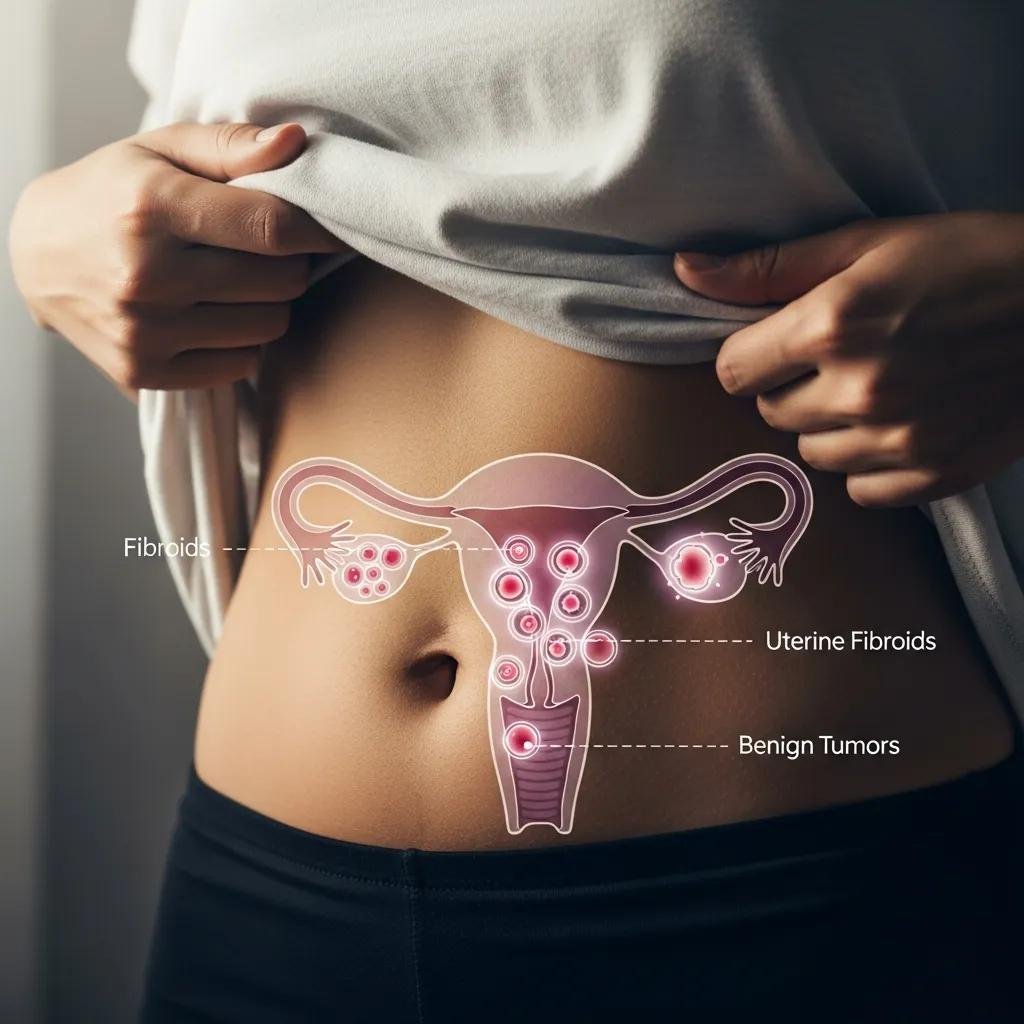
Uterine fibroids are benign tumors that develop from the muscle tissue of the uterus. They can vary in size, shape, and location, and are classified into three main types: intramural, subserosal, and submucosal fibroids. The exact cause of fibroid development is not fully understood, but hormonal imbalances, particularly involving estrogen and progesterone, are believed to play a significant role. These hormones stimulate the growth of fibrous tissue, leading to the formation of fibroids. Understanding the nature and development of uterine fibroids is crucial for recognizing their potential impact on weight and overall health.
Can Uterine Fibroids Cause Weight Gain and Abdominal Swelling?
Yes, uterine fibroids can cause weight gain and abdominal swelling. The presence of fibroids can lead to an increase in abdominal girth due to their size and the pressure they exert on surrounding organs. Additionally, hormonal changes associated with fibroids can contribute to weight gain, particularly in the abdominal area. Women may experience a feeling of fullness or bloating, which can further affect body image and self-esteem. Recognizing these symptoms is essential for seeking appropriate treatment and managing the effects of fibroids on weight.
AristoGP, a private healthcare provider based in Central London, offers specialized “gynaecology services” that can help diagnose and manage fibroid-related weight gain. Their expert team can provide personalized treatment plans tailored to individual needs.
What Are the Symptoms of Uterine Fibroids Related to Weight and Discomfort?
Symptoms associated with uterine fibroids can significantly affect a woman’s quality of life. Common symptoms related to weight and discomfort include:
- Pelvic Pressure or Pain: Many women report a sensation of pressure in the pelvic area, which can be uncomfortable and may contribute to weight gain.
- Enlarged Abdomen: The growth of fibroids can lead to an enlarged abdomen, making it appear as though one has gained weight.
- Heavy Menstrual Bleeding: Fibroids can cause heavy or prolonged menstrual bleeding, which may lead to anemia and fatigue, further complicating weight management.
Understanding these symptoms is vital for women experiencing discomfort and seeking effective treatment options.
What Treatment Options Are Available for Managing Fibroid-Related Weight Gain?

There are several treatment options available for managing fibroid-related weight gain, which can be categorized into medical management, surgical interventions, and lifestyle changes.
- Medical Management: Hormonal therapies, such as birth control pills or GnRH agonists, can help regulate menstrual cycles and reduce fibroid size, potentially alleviating weight gain.
- Surgical Interventions: In cases where fibroids cause significant discomfort or health issues, surgical options such as myomectomy or hysterectomy may be recommended to remove the fibroids.
- Lifestyle Changes: Maintaining a healthy diet and regular exercise can help manage weight and improve overall health, even in the presence of fibroids.
The following table compares different treatment options and their effectiveness:
| Treatment Option | Description | Effectiveness | Considerations |
|---|---|---|---|
| Hormonal Therapy | Regulates hormones to shrink fibroids | Moderate | May have side effects |
| Myomectomy | Surgical removal of fibroids | High | Invasive procedure |
| Hysterectomy | Complete removal of the uterus | Very High | Permanent solution |
| Lifestyle Changes | Diet and exercise modifications | Variable | Requires commitment |
This comparison highlights the importance of discussing treatment options with a healthcare provider to determine the best approach for individual circumstances.
How Can Private Gynaecology Consultations Help with Fibroid Diagnosis and Treatment?
Private gynaecology consultations can provide numerous benefits for women dealing with fibroids. These consultations typically offer a comprehensive assessment of the patient’s health, including detailed imaging studies and personalized management plans.
- Comprehensive Assessment: A thorough evaluation can help identify the size and location of fibroids, guiding treatment decisions.
- Personalized Management Plans: Specialists can create tailored treatment plans that consider the patient’s unique symptoms and health goals.
- Ongoing Monitoring: Regular follow-ups can ensure that any changes in fibroid size or symptoms are promptly addressed, allowing for timely adjustments to treatment.
By seeking expert care, women can better manage the impact of uterine fibroids on their weight and overall well-being. AristoGP’s specialized “gynaecology services” are designed to support women in navigating these challenges effectively.