
Ferritin Blood Test Explained: Symptoms, Causes, Normal Levels & Treatment
Quick Answer
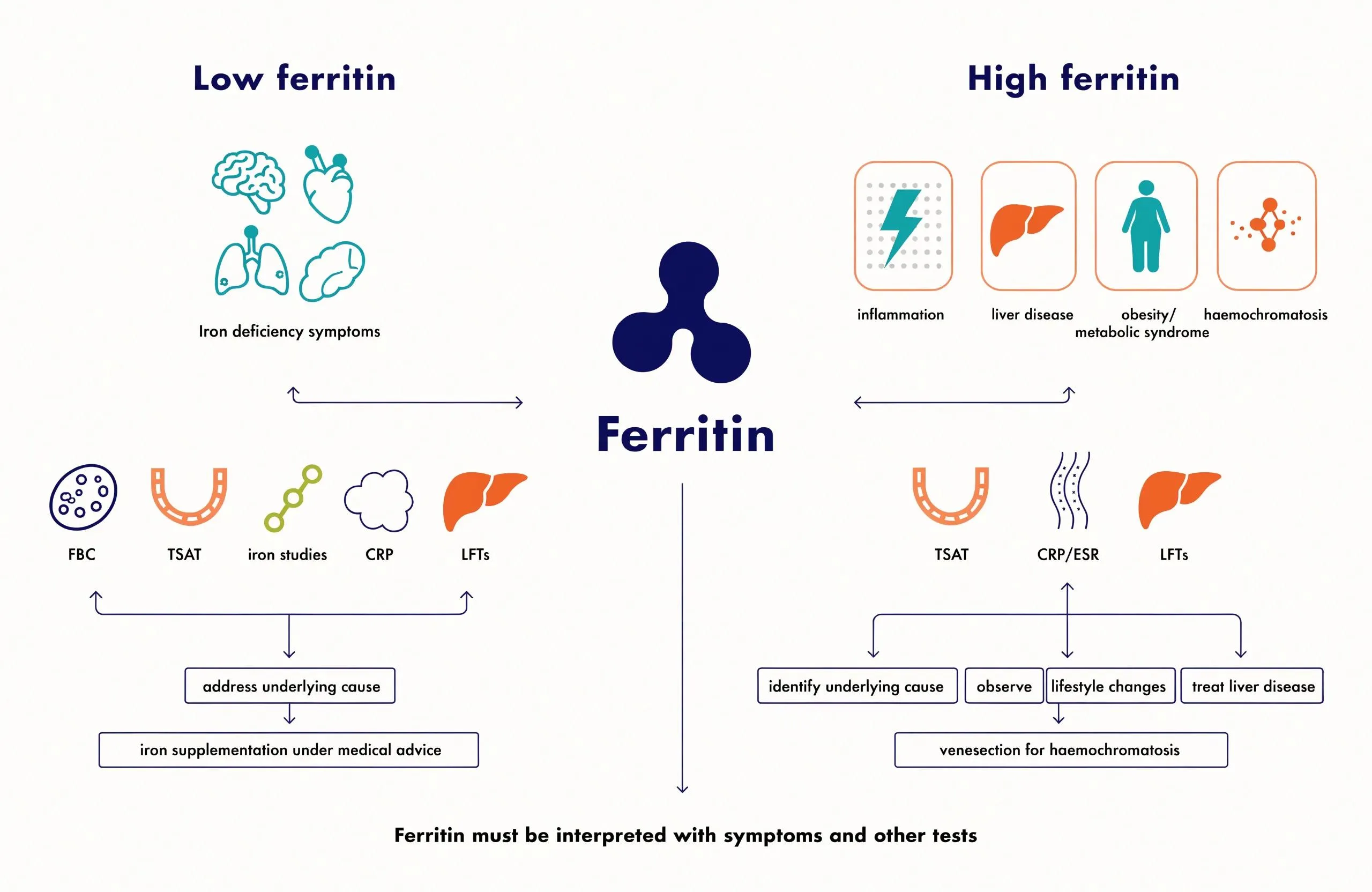
A ferritin blood test measures the amount of ferritin, a protein that stores iron inside your body’s cells. It is one of the most useful blood tests for assessing your iron stores and helping doctors investigate symptoms such as tiredness, weakness, hair loss, breathlessness and restless legs. Low ferritin commonly indicates iron deficiency, while high ferritin may be caused by inflammation, liver disease, infection, excessive iron stores or other medical conditions. Because ferritin levels can be affected by several factors, the results should always be interpreted alongside your symptoms, medical history and other blood tests.
Key Facts
| Key Point | Information |
|---|---|
| What is ferritin? | A protein that stores iron in the body’s tissues. |
| What does the test measure? | Your body’s iron stores rather than the amount of iron circulating in your blood. |
| Why is it requested? | To investigate tiredness, suspected iron deficiency, anaemia, inflammation or iron overload. |
| Low ferritin usually means | Iron deficiency, even if your haemoglobin is still normal. |
| High ferritin may indicate | Inflammation, infection, liver disease, metabolic syndrome, alcohol excess, haemochromatosis or other medical conditions. |
| Is one test enough? | No. Ferritin is usually interpreted alongside a Full Blood Count (FBC), transferrin saturation, iron studies, CRP and sometimes liver function tests. |
| Do I need treatment? | Treatment depends on the underlying cause rather than the ferritin level alone. |
| Should I take iron supplements? | Only if recommended by a healthcare professional after appropriate assessment. |
Table of Contents
- Introduction
- What is Ferritin?
- What Does a Ferritin Blood Test Measure?
- Why Might Your Doctor Request a Ferritin Blood Test?
- Normal Ferritin Levels
- Low Ferritin
- High Ferritin
- Symptoms
- Causes
- Ferritin Without Anaemia
- Ferritin in Pregnancy
- Ferritin in Men
- Ferritin in Women
- Ferritin in Children
- Ferritin and Chronic Disease
- Ferritin and Inflammation
- Ferritin and Liver Disease
- Ferritin and Haemochromatosis
- Ferritin and Cancer
- Other Blood Tests Used Together with Ferritin
- How to Prepare for the Test
- Understanding Your Results
- When Should You See a GP?
- When Should You Seek Urgent Medical Attention?
- Treatment for Low Ferritin
- Treatment for High Ferritin
- Frequently Asked Questions
- Myth vs Fact
- Key Takeaways
- References
- Related Articles
- Written and Medically Reviewed by Dr Georgios Schoinas, GP
Introduction
If you have recently had blood tests, you may have noticed that one of the results is called ferritin. Many people are unfamiliar with this test until they are told that their ferritin level is either low or high. It is then natural to wonder what ferritin is, whether the result is serious and whether treatment is needed.
A ferritin blood test is one of the most commonly requested investigations in UK general practice and hospital medicine. It provides valuable information about your body’s iron stores and can help doctors diagnose iron deficiency, investigate anaemia, identify inflammatory conditions and detect iron overload disorders such as hereditary haemochromatosis.
Although ferritin is closely linked with iron, it is important to understand that it is not simply an iron test. Ferritin behaves differently from other iron markers because it is also an acute-phase protein, meaning its level can rise during infection, inflammation or illness. For this reason, interpreting ferritin correctly often requires several blood tests rather than relying on a single result.
This guide explains everything you need to know about the ferritin blood test. We will discuss what ferritin is, why your doctor may request the test, what normal levels look like, the symptoms and causes of both low and high ferritin, how results are interpreted alongside other blood tests and when you should seek medical advice.
What is Ferritin?
Ferritin is a specialised protein that stores iron safely inside your body’s cells. Think of it as your body’s iron storage system. Whenever you absorb iron from food, any excess iron that is not immediately required is stored inside ferritin molecules until your body needs it.
Iron is essential for life. It is required for:
- producing haemoglobin in red blood cells
- transporting oxygen around the body
- supporting muscle function
- maintaining healthy brain function
- producing energy
- supporting the immune system
- normal growth and development.
Most ferritin is stored in the:
- liver
- spleen
- bone marrow
- muscles.
Only a small amount circulates in your bloodstream. However, the ferritin measured in a blood sample generally reflects the amount of iron stored throughout the body, making it an excellent marker of overall iron reserves.
When iron stores begin to fall, ferritin levels usually decrease before changes are seen in the haemoglobin level. This means a low ferritin result may identify iron deficiency at an early stage, even before anaemia develops.
Conversely, ferritin levels may rise in response to inflammation, infection or liver damage, even when iron stores are normal. This is why ferritin results should always be interpreted within the wider clinical picture.
What Does a Ferritin Blood Test Measure?
Despite its name, a ferritin blood test does not directly measure the amount of iron circulating in your blood. Instead, it measures the amount of ferritin protein present in the blood, which provides an estimate of your body’s stored iron.
Doctors often request ferritin as part of an investigation into symptoms that may suggest iron deficiency or other underlying conditions.
A ferritin blood test helps answer questions such as:
- Are your iron stores low?
- Could iron deficiency explain your symptoms?
- Have iron supplements been effective?
- Are your iron stores becoming excessive?
- Could inflammation be affecting iron metabolism?
- Is further investigation required?
Ferritin is often included alongside a broader panel of blood tests because no single blood test provides a complete picture of iron metabolism.
For example, your GP may also request:
- Full Blood Count (FBC)
- Iron studies
- Transferrin saturation
- C-reactive protein (CRP)
- Liver function tests (LFTs)
- Vitamin B12
- Folate
- Kidney function tests.
Related reading: Full blood count (FBC) explained.
Related reading: Blood test results explained.
Why Might Your Doctor Request a Ferritin Blood Test?
There are many reasons why your GP or hospital doctor may request a ferritin blood test.
One of the commonest reasons is to investigate symptoms that may suggest iron deficiency.
These symptoms include:
- persistent tiredness
- fatigue
- reduced exercise tolerance
- dizziness
- breathlessness
- headaches
- pale skin
- hair loss
- brittle nails
- poor concentration
- restless legs
- cravings for non-food substances such as ice (known as pica).
Ferritin testing is also commonly used to investigate:
- unexplained anaemia
- heavy menstrual bleeding
- gastrointestinal blood loss
- pregnancy
- inflammatory bowel disease
- coeliac disease
- chronic kidney disease
- chronic inflammatory conditions
- suspected haemochromatosis
- abnormal liver function tests
- raised iron studies
- monitoring iron replacement therapy.
Doctors may also request ferritin in people with long-term conditions where iron metabolism can be altered, including rheumatoid arthritis, inflammatory bowel disease, chronic infections and chronic liver disease.
Increasingly, ferritin is included in health screening blood tests because iron deficiency may develop gradually and cause symptoms long before anaemia becomes apparent.
Normal Ferritin Levels
Normal ferritin levels vary depending on several factors, including age, sex and the laboratory performing the analysis. Different laboratories may use slightly different reference ranges, so your own laboratory’s range should always be used when interpreting results.
The following table provides typical adult reference ranges used in many UK laboratories.
| Group | Typical Reference Range |
|---|---|
| Adult men | 30–400 µg/L |
| Adult women | 15–150 µg/L |
| Children | Laboratory dependent |
| Pregnancy | Often lower than non-pregnant adults |
It is important to remember that a ferritin result within the laboratory reference range does not always mean iron deficiency has been excluded. In some people, particularly those with chronic inflammatory conditions, a ferritin level that appears “normal” may still be consistent with iron deficiency because inflammation can artificially increase ferritin.
Likewise, a mildly raised ferritin does not automatically mean there is excess iron in the body. Many common conditions, including infection, obesity, alcohol-related liver disease and metabolic syndrome, can increase ferritin without causing iron overload.
For this reason, healthcare professionals interpret ferritin alongside symptoms, examination findings and other blood tests rather than relying on a single number in isolation.
Low Ferritin
A low ferritin level usually indicates that your body’s iron stores have become depleted. In many cases, low ferritin is the earliest laboratory sign of iron deficiency and may be detected before anaemia develops.
Iron deficiency is one of the commonest nutritional deficiencies worldwide and is frequently encountered in UK general practice. It can affect people of any age but is particularly common in women of childbearing age, pregnant women, people with heavy menstrual bleeding, individuals with gastrointestinal conditions affecting iron absorption and those with inadequate dietary iron intake.
Iron deficiency develops gradually. Initially, the body’s iron stores become depleted, causing ferritin levels to fall. If the deficiency continues, there is less iron available to produce haemoglobin, eventually leading to iron deficiency anaemia.
Recognising low ferritin early is important because treating iron deficiency before anaemia develops may improve symptoms sooner and help prevent complications.
Symptoms of Low Ferritin
Not everyone with low ferritin experiences symptoms, particularly in the early stages. However, as iron stores continue to fall, symptoms may gradually become more noticeable.
Common low ferritin symptoms include:
- persistent tiredness
- lack of energy
- reduced stamina
- weakness
- poor concentration
- difficulty thinking clearly
- headaches
- dizziness
- feeling cold more easily
- pale skin
- brittle nails
- hair thinning or hair loss
- restless legs syndrome
- shortness of breath on exertion
- palpitations
- pica, including craving ice or other non-food substances
Some people describe feeling exhausted despite getting enough sleep, while others notice reduced performance at work, during exercise or in everyday activities.
The severity of symptoms does not always match the ferritin level. Some people with only mildly reduced ferritin experience significant symptoms, whereas others with lower levels may have very few symptoms at all.
Causes of Low Ferritin
Identifying the underlying cause of a low ferritin level is just as important as treating the deficiency itself. While iron supplements can restore iron stores, they will not prevent the problem from recurring if the underlying cause is not addressed.
Common causes of low ferritin include:
Blood Loss
Chronic blood loss is one of the most frequent causes of iron deficiency in adults.
Examples include:
- Heavy menstrual bleeding (menorrhagia)
- Bleeding from the stomach or bowel
- Stomach ulcers
- Polyps
- Bowel cancer
- Haemorrhoids (although these should not automatically be assumed to be the cause)
- Frequent blood donation
- Surgery or trauma
In adults over 60 years of age, or in younger adults with concerning symptoms such as weight loss, altered bowel habit or rectal bleeding, your GP may recommend investigations to exclude gastrointestinal causes of blood loss.
Reduced Iron Intake
Some people simply do not consume enough iron in their diet.
This may occur in:
- Strict vegan diets
- Vegetarian diets without adequate iron-rich alternatives
- Poor nutritional intake
- Eating disorders
- Older adults with reduced appetite
A balanced vegetarian or vegan diet can still provide sufficient iron, but careful planning is required.
Reduced Iron Absorption
Even when dietary iron intake is adequate, the body may not absorb enough iron.
Causes include:
- Coeliac disease
- Inflammatory bowel disease
- Previous stomach surgery
- Bariatric surgery
- Long-term use of medications that reduce stomach acid
- Certain rare intestinal disorders
For some people, iron deficiency may be the first sign of coeliac disease, even if they have no digestive symptoms.
Increased Iron Requirements
Certain stages of life increase the body’s demand for iron.
These include:
- Pregnancy
- Breastfeeding
- Rapid growth during childhood
- Adolescence
- Endurance athletes
If increased iron requirements are not matched by increased intake, iron stores gradually become depleted.
High Ferritin
A raised ferritin level often causes more concern than a low ferritin result because many people associate high ferritin with “too much iron.” However, this is not always the case.
Ferritin is an acute-phase protein, meaning that its level rises whenever the body is responding to inflammation or tissue damage. As a result, many people with a high ferritin level do not actually have excess iron stores.
Your doctor will interpret a raised ferritin result alongside your symptoms, examination findings and additional blood tests before determining whether further investigation is required.
Common reasons for a raised ferritin include:
- Infection
- Inflammation
- Liver disease
- Excess alcohol intake
- Obesity
- Metabolic syndrome
- Type 2 diabetes
- Chronic kidney disease
- Certain cancers
- Haemochromatosis
- Multiple blood transfusions (less common)
The degree of elevation is also important. Mild elevations are relatively common and often relate to chronic health conditions, whereas very high ferritin levels usually require more detailed assessment.
Symptoms of High Ferritin
Unlike low ferritin, a high ferritin level itself usually does not cause symptoms.
Instead, symptoms are typically related to the condition responsible for the elevated ferritin.
For example:
If caused by haemochromatosis
Symptoms may include:
- fatigue
- joint pain
- abdominal discomfort
- reduced libido
- erectile dysfunction
- diabetes
- liver disease
- skin darkening
If caused by liver disease
Symptoms may include:
- tiredness
- abdominal pain
- jaundice
- itching
- swelling of the abdomen
If caused by inflammation
Symptoms depend entirely on the underlying inflammatory condition and may include:
- joint pain
- fever
- weight loss
- muscle aches
- fatigue
Many people with mildly raised ferritin have no symptoms at all, with the abnormality being detected during routine blood tests.
Causes
Causes of Low Ferritin
The commonest causes include:
- Iron deficiency
- Heavy menstrual bleeding
- Pregnancy
- Gastrointestinal bleeding
- Coeliac disease
- Poor dietary intake
- Malabsorption
- Frequent blood donation
- Increased physiological requirements
High Ferritin Causes
There are many possible high ferritin causes, and iron overload is only one of them.
Common causes include:
| Cause | Mechanism |
|---|---|
| Infection | Ferritin rises as part of the immune response. |
| Inflammation | Ferritin behaves as an acute-phase protein. |
| Liver disease | Damaged liver cells release ferritin. |
| Obesity | Chronic low-grade inflammation increases ferritin. |
| Alcohol excess | Liver inflammation increases ferritin production. |
| Metabolic syndrome | Associated with persistent mild ferritin elevation. |
| Haemochromatosis | Increased absorption of dietary iron causes iron overload. |
| Certain cancers | Ferritin may rise as part of the inflammatory response. |
| Chronic kidney disease | Iron metabolism becomes altered. |
Because the list of possible causes is broad, doctors rarely diagnose the cause of a raised ferritin level from the ferritin result alone.
Ferritin Without Anaemia
Many people are surprised to learn that they can have iron deficiency despite having a normal haemoglobin level.
This is known as iron deficiency without anaemia.
Iron stores become depleted before haemoglobin falls. As a result, symptoms such as fatigue, hair loss or restless legs may develop while the Full Blood Count (FBC) remains within the normal range.
For this reason, GPs often request ferritin when symptoms suggest iron deficiency, even if the Full Blood Count appears normal.
Whether iron supplementation is recommended depends on several factors, including your ferritin level, symptoms, underlying health conditions and the suspected cause of the deficiency.
Ferritin in Pregnancy
Iron requirements increase significantly during pregnancy because iron is needed to support the mother’s increased blood volume, the developing placenta and the growing baby.
As pregnancy progresses, iron stores often decline naturally.
Low ferritin during pregnancy is common and may increase the risk of:
- maternal anaemia
- fatigue
- reduced exercise tolerance
- increased likelihood of blood transfusion if significant bleeding occurs during delivery
Midwives and obstetricians routinely monitor haemoglobin during pregnancy, while ferritin testing may be performed when iron deficiency is suspected or when there is a previous history of iron deficiency.
Treatment usually involves dietary advice and oral iron supplementation, although intravenous iron may occasionally be recommended when oral treatment is ineffective or poorly tolerated.
Ferritin in Men
Although iron deficiency is less common in men than in pre-menopausal women, it should always be taken seriously.
In adult men, unexplained iron deficiency often warrants investigation to exclude gastrointestinal blood loss.
Depending on your age, symptoms and risk factors, your GP may recommend investigations such as:
- faecal immunochemical testing (FIT)
- gastroscopy
- colonoscopy
- coeliac screening
These investigations are not required for everyone, but they may be appropriate when there is concern about bleeding from the digestive tract.
Conversely, persistently raised ferritin in men may sometimes be the first indication of hereditary haemochromatosis, particularly when transferrin saturation is also elevated.
Ferritin in Women
Women are significantly more likely than men to develop low ferritin because of menstrual blood loss.
The risk increases in those who experience:
- heavy periods
- prolonged periods
- uterine fibroids
- endometriosis
- adenomyosis
Pregnancy and breastfeeding further increase iron requirements.
Many women experience symptoms of iron deficiency before anaemia develops. Fatigue, reduced concentration and hair loss are common reasons for requesting ferritin testing in general practice.
Management should not focus solely on replacing iron but also on identifying and treating the underlying cause of excessive menstrual blood loss where appropriate.
Ferritin in Children
Children require adequate iron for healthy growth, brain development and learning.
Iron deficiency in childhood may affect:
- concentration
- behaviour
- cognitive development
- school performance
Risk factors include:
- prematurity
- prolonged exclusive breastfeeding without appropriate complementary foods
- poor dietary intake
- restricted diets
- rapid growth
Ferritin results in children should always be interpreted using age-specific laboratory reference ranges and within the broader clinical context.
Ferritin and Chronic Disease
Long-term medical conditions can significantly affect ferritin levels.
Chronic inflammatory diseases such as rheumatoid arthritis, inflammatory bowel disease and chronic kidney disease alter the way the body handles iron.
In these situations, ferritin may remain normal or even elevated despite depleted iron stores.
This phenomenon is sometimes referred to as functional iron deficiency, where iron is present within the body but cannot be effectively utilised for red blood cell production.
For this reason, interpreting ferritin in people with chronic disease requires careful assessment alongside other investigations, particularly transferrin saturation, inflammatory markers and the Full Blood Count.
Ferritin and Inflammation
Inflammation has a major influence on ferritin levels and is one of the most important reasons why ferritin results cannot be interpreted in isolation.
Ferritin is known as an acute-phase protein, which means the body naturally produces more of it during inflammation, infection or tissue injury. This is part of the body’s normal immune response. By storing iron inside cells, ferritin helps reduce the amount of free iron available to bacteria and other microorganisms, limiting their ability to grow.
As a result, someone with an infection or inflammatory condition may have a normal or raised ferritin level even though their body’s iron stores are actually low.
Examples of conditions that can raise ferritin through inflammation include:
- Rheumatoid arthritis
- Systemic lupus erythematosus
- Inflammatory bowel disease
- Chronic infections
- Severe bacterial infections
- Viral illnesses
- Autoimmune diseases
When inflammation is suspected, your doctor may request a C-reactive protein (CRP) or erythrocyte sedimentation rate (ESR) alongside ferritin. A raised CRP may indicate that ferritin has been artificially elevated by inflammation rather than reflecting true iron stores.
For this reason, healthcare professionals often interpret ferritin together with:
- Full Blood Count (FBC)
- Transferrin saturation (TSAT)
- Serum iron
- Total iron-binding capacity (TIBC)
- CRP
- Clinical symptoms
This combined approach provides a much clearer picture than relying on ferritin alone.
Ferritin and Liver Disease
The liver is one of the body’s main storage sites for ferritin, so liver disease commonly affects ferritin levels.
When liver cells become inflamed or damaged, ferritin may leak into the bloodstream, resulting in an elevated blood ferritin concentration.
Common liver-related causes of raised ferritin include:
- Fatty liver disease (including metabolic dysfunction-associated steatotic liver disease)
- Alcohol-related liver disease
- Viral hepatitis
- Autoimmune hepatitis
- Cirrhosis
A raised ferritin level does not necessarily mean that iron has accumulated within the liver. In many cases, it simply reflects liver inflammation.
If liver disease is suspected, your GP may also request:
- Liver Function Tests (LFTs)
- Ultrasound scan of the liver
- Viral hepatitis screening
- Blood glucose or HbA1c
- Lipid profile
- Further imaging or specialist referral where appropriate
Reducing alcohol intake, maintaining a healthy weight and managing conditions such as diabetes may improve liver health and, in some cases, reduce ferritin levels over time.
Ferritin and Haemochromatosis
One condition that is strongly associated with high ferritin is hereditary haemochromatosis.
Haemochromatosis is an inherited condition in which the body absorbs too much iron from food. Over many years, excess iron gradually accumulates in organs including the:
- liver
- pancreas
- heart
- joints
- pituitary gland
Without treatment, iron overload can lead to permanent organ damage.
Symptoms may include:
- persistent fatigue
- joint pain
- abdominal discomfort
- reduced libido
- erectile dysfunction
- diabetes
- abnormal liver function tests
- skin pigmentation changes
However, many people have no symptoms in the early stages, and the condition is first suspected because routine blood tests show raised ferritin and transferrin saturation.
When haemochromatosis is suspected, further investigations may include:
- Repeat ferritin measurement
- Transferrin saturation
- HFE genetic testing
- Liver Function Tests
- Imaging or liver assessment in selected cases
Treatment usually involves therapeutic venesection, a procedure similar to donating blood, which removes excess iron from the body.
Early diagnosis is important because treatment before organ damage develops usually results in an excellent long-term outlook.
Ferritin and Cancer
A raised ferritin level occasionally raises concerns about cancer, but it is important to understand that most people with an elevated ferritin do not have cancer.
Ferritin may increase in some cancers because of inflammation, tissue damage or altered iron metabolism. Examples include certain blood cancers and some solid tumours.
However, ferritin is not a screening test for cancer and is not used on its own to diagnose malignancy.
Your doctor will consider the entire clinical picture, including:
- your symptoms
- examination findings
- other blood test results
- imaging, where appropriate
- age and risk factors
If you have unexplained weight loss, persistent night sweats, prolonged fever, unexplained anaemia or other concerning symptoms, your GP may recommend additional investigations regardless of the ferritin level.
Other Blood Tests Used Together with Ferritin
Ferritin provides valuable information, but it is only one part of the assessment. Doctors usually interpret it alongside several other blood tests.
The table below summarises the investigations most commonly requested together with ferritin.
| Blood Test | Why it is Helpful |
|---|---|
| Full Blood Count (FBC) | Detects anaemia and assesses red blood cells. |
| Transferrin Saturation (TSAT) | Helps distinguish iron deficiency from iron overload. |
| Serum Iron | Measures circulating iron but varies throughout the day. |
| Total Iron-Binding Capacity (TIBC) | Assesses the body’s capacity to transport iron. |
| CRP | Identifies inflammation that may affect ferritin interpretation. |
| ESR | Another marker of inflammation. |
| Liver Function Tests | Investigate liver disease as a cause of raised ferritin. |
| Vitamin B12 | Assesses another important cause of anaemia. |
| Folate | Helps investigate macrocytic anaemia. |
| Kidney Function Tests | Chronic kidney disease affects iron metabolism. |
Interpreting Ferritin with a Full Blood Count (FBC)
The Full Blood Count is one of the most important accompanying investigations.
It measures:
- haemoglobin
- red blood cell count
- mean cell volume (MCV)
- mean cell haemoglobin (MCH)
- white blood cells
- platelets
Typical patterns include:
| Ferritin | FBC | Possible Interpretation |
|---|---|---|
| Low | Normal | Early iron deficiency without anaemia |
| Low | Low haemoglobin | Iron deficiency anaemia |
| Normal | Low haemoglobin | Other causes of anaemia should be considered |
| High | Normal | Inflammation, liver disease or iron overload may need assessment |
Interpreting Ferritin with Transferrin Saturation
Transferrin is the protein that transports iron through the bloodstream.
Transferrin saturation (TSAT) indicates how much of this transport protein is carrying iron.
This measurement is particularly useful when ferritin is raised.
For example:
- High ferritin + high transferrin saturation may suggest iron overload such as haemochromatosis.
- High ferritin + normal or low transferrin saturation is more commonly seen in inflammation, infection or liver disease.
Because of this, transferrin saturation is often considered one of the most valuable tests when investigating persistently raised ferritin.
Interpreting Ferritin with CRP
CRP helps identify inflammation.
If CRP is raised:
- ferritin may be artificially elevated
- low iron stores may be masked
- interpretation becomes more complex
Doctors therefore consider both results together before deciding whether iron supplementation or further investigations are appropriate.
Interpreting Ferritin with Liver Function Tests
Liver Function Tests (LFTs) include markers such as:
- ALT
- AST
- ALP
- GGT
- bilirubin
- albumin
Abnormal liver function tests together with a raised ferritin may suggest liver disease rather than excess iron.
Further investigations depend on the clinical picture and may include repeat blood tests, ultrasound imaging or referral to a specialist.
How to Prepare for the Test
A ferritin blood test is straightforward and usually does not require any special preparation.
In most cases:
- fasting is not required
- you can drink water normally
- the blood sample is taken from a vein in your arm
- the test usually takes only a few minutes
However, if ferritin is being requested alongside fasting glucose or cholesterol tests, you may be asked to fast beforehand. Your healthcare professional will advise you if this is necessary.
It is also important to tell your doctor about:
- iron supplements
- multivitamins containing iron
- recent blood transfusions
- recent intravenous iron treatment
- pregnancy
- any recent infections or illnesses
These factors may influence the interpretation of your results.
Understanding Your Results
Receiving an abnormal ferritin result can be worrying, but it is important to remember that the number alone rarely provides the full answer.
Your doctor will interpret the result by considering:
- your age
- your sex
- your symptoms
- your medical history
- medications
- dietary factors
- examination findings
- results of other blood tests
A low ferritin usually suggests depleted iron stores and often indicates iron deficiency.
A high ferritin requires a broader assessment because many different conditions can increase ferritin levels.
Sometimes your GP may simply repeat the blood test after a few weeks, particularly if you have recently been unwell, as temporary illness can affect ferritin concentrations.
In other cases, additional investigations or referral to a specialist may be appropriate.
The most important message is that ferritin should never be interpreted in isolation. A result that appears abnormal may have a straightforward explanation once the wider clinical picture is considered.
When Should You See a GP?
You should arrange a routine appointment with your GP if you have symptoms that may be related to low or high ferritin, or if you have received an abnormal ferritin result and are unsure what it means.
Symptoms that should prompt a GP appointment include:
- Persistent tiredness lasting several weeks
- Fatigue that interferes with work or daily activities
- Unexplained weakness
- Shortness of breath on exertion
- Dizziness or feeling faint
- Pale skin
- Hair thinning or excessive hair loss
- Brittle nails
- Restless legs, particularly at night
- Frequent headaches
- Difficulty concentrating or “brain fog”
- Heavy or prolonged menstrual periods
- Unexplained weight loss
- Ongoing abdominal discomfort
- Joint pains associated with raised ferritin
- A family history of hereditary haemochromatosis
You should also see your GP if:
- You have previously been treated for iron deficiency but your symptoms have returned.
- You are unable to tolerate iron tablets because of side effects.
- You follow a vegan or vegetarian diet and are concerned about your iron intake.
- You are pregnant and think you may have symptoms of iron deficiency.
- You have a long-term condition such as inflammatory bowel disease, chronic kidney disease or rheumatoid arthritis that may affect iron metabolism.
Your GP will consider your symptoms, examine you if appropriate and decide whether further blood tests or investigations are required. Treatment should always be directed at the underlying cause rather than simply correcting the ferritin level.
When Should You Seek Urgent Medical Attention?
Most abnormal ferritin results are not medical emergencies. However, some symptoms may indicate a serious underlying condition and should not be ignored.
Seek urgent medical assessment (by contacting NHS 111, attending an urgent treatment centre or the Emergency Department, depending on the severity of your symptoms) if you experience:
- Chest pain
- Severe shortness of breath
- Collapse or loss of consciousness
- Passing black, tarry stools (melaena)
- Vomiting blood or material that resembles coffee grounds
- Heavy rectal bleeding
- Severe abdominal pain
- Rapidly worsening weakness
- Symptoms of severe anaemia, such as breathlessness at rest or fainting
- High fever with confusion or signs of sepsis
These symptoms require prompt assessment because they may indicate significant blood loss, severe anaemia or another serious medical condition.
If you have a raised ferritin level but feel well, it is usually appropriate to arrange a routine GP review rather than seeking emergency medical care.
Treatment for Low Ferritin
Treatment depends on why your ferritin is low. Simply replacing iron without identifying the underlying cause may result in the deficiency returning.
Dietary Advice
Increasing dietary iron intake may help restore iron stores, particularly in people with mild deficiency.
Iron-rich foods include:
Animal sources (haem iron)
- Lean red meat
- Liver (not recommended during pregnancy)
- Chicken
- Turkey
- Oily fish
- Shellfish
Haem iron is absorbed more efficiently than iron from plant-based foods.
Plant sources (non-haem iron)
- Lentils
- Chickpeas
- Beans
- Tofu
- Spinach
- Kale
- Pumpkin seeds
- Fortified breakfast cereals
Vitamin C improves the absorption of non-haem iron. Drinking a glass of orange juice or eating fruit such as strawberries, kiwi or oranges alongside meals may increase iron absorption.
Tea and coffee can reduce iron absorption if consumed with meals, so it is often advisable to drink them between meals rather than during them.
Oral Iron Supplements
If dietary changes alone are unlikely to correct the deficiency, your GP may recommend oral iron tablets.
Common preparations used in UK practice include ferrous sulphate, ferrous fumarate and ferrous gluconate.
Possible side effects include:
- Constipation
- Nausea
- Stomach discomfort
- Dark stools
- Diarrhoea (less commonly)
If side effects occur, your healthcare professional may advise:
- taking the tablets on alternate days
- reducing the dose temporarily
- changing to a different iron preparation
- taking the medication with food if necessary (although absorption may be slightly reduced)
Current evidence suggests that alternate-day dosing may improve iron absorption for some people while reducing gastrointestinal side effects.
Iron supplements should only be taken under medical advice because unnecessary iron supplementation may be harmful in people who do not have iron deficiency.
Intravenous Iron
Some people are unable to absorb oral iron effectively or cannot tolerate it despite trying different preparations.
Intravenous (IV) iron may be considered in situations such as:
- Severe iron deficiency
- Ongoing blood loss
- Inflammatory bowel disease
- Chronic kidney disease
- Failure of oral iron therapy
- When rapid replacement is required
IV iron is usually administered in hospital or a specialist outpatient clinic.
Treating the Underlying Cause
Correcting the ferritin level is only one part of treatment.
Your GP may investigate and manage underlying causes such as:
- Heavy menstrual bleeding
- Coeliac disease
- Stomach ulcers
- Gastrointestinal bleeding
- Dietary deficiency
- Malabsorption
- Chronic inflammatory disease
Addressing the underlying cause reduces the likelihood of iron deficiency recurring.
Monitoring
Repeat blood tests are commonly performed after treatment to assess:
- Haemoglobin recovery
- Ferritin levels
- Iron stores
The timing of repeat testing depends on the individual situation but is commonly several weeks after treatment has started.
Many patients continue iron supplementation for a period after their haemoglobin has returned to normal in order to replenish iron stores fully.
Treatment for High Ferritin
Treatment for a raised ferritin level depends entirely on the underlying cause.
Unlike low ferritin, there is no treatment aimed simply at lowering the ferritin number. Instead, the focus is on identifying and managing the condition responsible for the elevated result.
Possible management strategies include:
Observation
If the elevation is mild and no concerning cause is identified, your GP may simply repeat the blood test after an appropriate interval.
This is particularly common if you have recently had:
- an infection
- surgery
- significant inflammation
- vaccination
- another temporary illness
Lifestyle Measures
If raised ferritin is associated with metabolic syndrome or fatty liver disease, treatment often focuses on improving overall health.
This may include:
- achieving a healthy weight
- regular physical activity
- reducing alcohol intake
- controlling blood pressure
- improving blood sugar control
- managing cholesterol
These measures benefit general health as well as liver health.
Managing Liver Disease
If liver disease is identified, treatment depends on the specific diagnosis.
Management may include:
- reducing or stopping alcohol consumption
- weight reduction
- treatment of viral hepatitis where appropriate
- optimisation of diabetes management
- referral to a hepatologist if indicated
Treating Haemochromatosis
People diagnosed with hereditary haemochromatosis are usually referred to a specialist service.
The main treatment is therapeutic venesection, where blood is removed at regular intervals to gradually reduce excess iron stores.
Once ferritin has reached the target level, maintenance venesection may be required to prevent iron from accumulating again.
With early diagnosis and appropriate treatment, most people can expect an excellent long-term outlook.
Treating Other Underlying Conditions
If raised ferritin is caused by chronic inflammation, autoimmune disease or infection, treatment focuses on the underlying condition rather than ferritin itself.
As the underlying disease improves, ferritin levels often fall naturally.
Frequently Asked Questions
What is a normal ferritin level?
Reference ranges vary between laboratories, but typical UK adult ranges are approximately 15–150 µg/L for women and 30–400 µg/L for men. Your own laboratory’s reference range should always be used when interpreting results.
Can I have low ferritin without anaemia?
Yes. Ferritin often falls before haemoglobin decreases. This is known as iron deficiency without anaemia and may still cause symptoms such as tiredness, hair loss and poor concentration.
Can ferritin be high without having too much iron?
Yes. In fact, this is very common. Infection, inflammation, liver disease, obesity and alcohol-related liver disease frequently cause raised ferritin without iron overload.
Should I take iron tablets if my ferritin is low?
Not necessarily. Iron supplements should usually only be started after discussion with a healthcare professional, who will consider your symptoms, blood test results and possible underlying causes.
Does ferritin cause tiredness?
Ferritin itself does not cause symptoms. However, low ferritin often reflects iron deficiency, which commonly causes fatigue and reduced exercise tolerance.
Does a ferritin blood test require fasting?
Usually not. However, if it is being performed alongside other fasting blood tests, your healthcare professional will advise you accordingly.
How long does it take to increase ferritin?
This varies depending on the severity of the deficiency and the treatment used. Ferritin often takes several months to recover fully, even after haemoglobin has returned to normal.
Can low ferritin cause hair loss?
Yes. Low iron stores are recognised as one possible contributor to diffuse hair thinning, although hair loss has many possible causes.
Can diet alone improve ferritin?
In mild cases it may help, particularly if dietary iron intake has been inadequate. More significant deficiency often requires iron supplementation alongside dietary changes.
Does everyone with high ferritin have haemochromatosis?
No. Most people with raised ferritin do not have hereditary haemochromatosis. Many other conditions are considerably more common causes of an elevated ferritin level.
Myth vs Fact
| Myth | Fact |
|---|---|
| A normal ferritin result means there is definitely no iron deficiency. | Not always. Ferritin can be artificially raised by inflammation or infection, potentially masking iron deficiency. This is why doctors often interpret ferritin alongside CRP, transferrin saturation and the Full Blood Count. |
| A high ferritin level always means I have too much iron. | No. Most raised ferritin levels are caused by inflammation, liver disease, obesity, alcohol-related liver disease or metabolic syndrome rather than iron overload. |
| If my ferritin is low, I should immediately buy iron tablets. | Iron supplements should only be taken after medical assessment. Treating the underlying cause of iron deficiency is just as important as replacing iron. |
| Only women develop low ferritin. | Although iron deficiency is more common in women of childbearing age, men and post-menopausal women can also develop low ferritin. In these groups, doctors may investigate for gastrointestinal blood loss or other underlying causes. |
| Ferritin and haemoglobin measure the same thing. | No. Ferritin reflects iron stores, whereas haemoglobin measures the oxygen-carrying protein within red blood cells. Ferritin may be low long before haemoglobin falls. |
| A ferritin blood test can diagnose every cause of tiredness. | Fatigue has many possible causes. Ferritin is only one part of the assessment and must be interpreted alongside symptoms, examination findings and other investigations. |
| Once my ferritin returns to normal, I can always stop treatment immediately. | Not necessarily. Some people continue iron treatment for a period after haemoglobin has normalised to replenish iron stores fully. Your healthcare professional will advise you based on your individual circumstances. |
| High ferritin always means cancer. | No. Cancer is an uncommon cause of raised ferritin. Much more common explanations include infection, inflammation, liver disease and metabolic conditions. |
Key Takeaways
- Ferritin is a protein that stores iron and provides an estimate of your body’s iron reserves.
- A ferritin blood test is one of the most useful investigations for assessing iron deficiency and iron overload.
- Low ferritin usually indicates depleted iron stores and may occur before anaemia develops.
- Common low ferritin symptoms include fatigue, weakness, hair loss, poor concentration, restless legs and reduced exercise tolerance.
- High ferritin does not necessarily mean that there is too much iron in the body. Infection, inflammation, liver disease, obesity and metabolic syndrome are common causes of an elevated result.
- Understanding high ferritin causes requires careful interpretation alongside your symptoms and additional blood tests.
- Ferritin should always be interpreted together with other investigations such as the Full Blood Count (FBC), transferrin saturation, C-reactive protein (CRP) and liver function tests.
- Treatment depends on identifying and addressing the underlying cause rather than correcting the ferritin level alone.
- Never start or stop iron supplements without discussing your blood test results with a healthcare professional.
- If you have persistent symptoms, recurrent iron deficiency or an unexplained abnormal ferritin result, arrange a review with your GP for further assessment.
References
Key references:
- NHS — Iron deficiency anaemia
- NICE CKS — Anaemia, iron deficiency
- British Society for Haematology — Guidelines
- NICE NG8 — Chronic kidney disease: assessment and management
- NHS — Haemochromatosis
- BNF — Iron deficiency anaemia treatment summary
This article is based on current UK clinical practice and recognised professional guidance available at the time of writing. Healthcare recommendations may change as new evidence emerges.
Key sources include:
- National Institute for Health and Care Excellence (NICE) guidance
- NHS information on iron deficiency anaemia and blood tests
- British Society for Haematology (BSH) guidelines on iron deficiency and iron overload
- Royal College of General Practitioners (RCGP) educational resources
- British National Formulary (BNF)
- MHRA prescribing guidance where relevant
- Peer-reviewed evidence relating to iron metabolism, ferritin interpretation and haemochromatosis
Healthcare professionals should always use the most recent national and local guidance when making clinical decisions.
Related Articles
To help you better understand your blood test results, you may also find these articles useful:
These articles form part of the Aristo Medical Knowledge Base, a growing collection of evidence-based patient information designed to explain common medical conditions, investigations and treatments in clear, accessible language.
Written and Medically Reviewed
Published 27 June 2026. Last medically reviewed 24 August 2026.
Written and medically reviewed by
General Practitioner
Aristo GP
Medical Disclaimer
This article is intended for general educational purposes only and should not be used as a substitute for personalised medical advice, diagnosis or treatment. While every effort has been made to ensure the information reflects current UK clinical practice at the time of publication, individual circumstances vary.
If you have symptoms that concern you, abnormal blood test results or questions about your health, you should consult your GP or another appropriately qualified healthcare professional. In an emergency or if you develop severe symptoms such as chest pain, significant shortness of breath, collapse or heavy bleeding, seek urgent medical attention immediately.
Last medical review: 27/06/2026
Related care and reading
Book a private GP appointment from £150.